Silver chain ruby necklace
The Secret VampireCeleste's necklace is a silver chain with a ruby stone, but its narrative importance exceeds its appearance as jewelry. Callum chooses it as a birthday present for Celeste while she is grieving Brianna's death, and the gift gradually becomes a test of the boundary between them: what looks like an affectionate human object burns Callum, reveals that he is a Vampire, and later helps break the spell that has made him act against Celeste. Its meaning therefore shifts from romance to danger, evidence, resistance, and finally recovery.
Appearance and Gift
The necklace first enters the story through Callum's attempt to comfort Celeste after Brianna is killed. He visits a jeweler, selects a silver chain with a ruby, and asks that it be placed on a small cloth before he pays for it. His choice is directed toward Celeste's neck, making the object an intimate present rather than a casual purchase. The gift is prepared against the emotional background of her birthday, which Celeste does not want to celebrate because her younger sister has recently died.
Callum gives Celeste the wrapped box at school and wishes her a happy birthday, but she initially puts it in her bag without opening it. Later, after visiting Brianna's grave and placing flowers there, Celeste returns home, empties the bag, and discovers the message addressed to the most beautiful girl in the world. She opens the box and sees the silver necklace with its ruby stone, finding it beautiful despite the grief surrounding the occasion. The necklace thus joins two opposing emotional currents: Callum's developing attachment to Celeste and her continuing mourning for Brianna.
The Object Reveals Callum
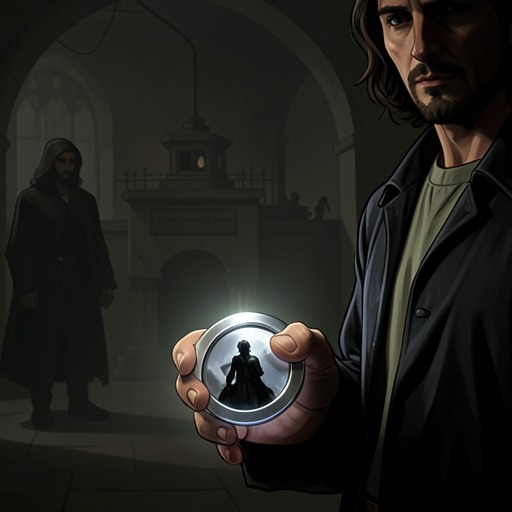
The necklace becomes conspicuous when Celeste brings the boxed gift back to college. She tells Callum that he forgot to put it on her, removes it from the box, and hands it to him. The moment his hand touches the silver, Callum screams in pain and receives a cut. Celeste runs to get help, but Callum retreats beneath the bleachers, where the injury heals and his red eye returns to its ordinary color. He later comes back wearing gloves, offering a visible attempt to conceal the object's effect and the bodily evidence of what he is.
The necklace's materiality makes secrecy difficult. Callum can evade questions about his behavior, but he cannot handle the silver without consequence. The injury is not merely an obstacle to the gift; it changes Celeste's understanding of him. She has already seen him appear impossibly quickly to protect her during sports, yet the necklace supplies a more concrete contradiction to his human presentation. The ordinary language of jewelry becomes a physical diagnostic: silver exposes the difference between the person Celeste sees and the Vampire identity Callum hides.
From Romance to Threat
After the initial injury, Callum is ashamed of the way he frightened Celeste and continues to watch over her, including intervening when a ball is about to hit her. Celeste remains suspicious but later approaches him in an effort to repair their friendship. At their meeting place, Callum's eyes briefly change red behind his sunglasses before he forces them back to brown. When Celeste offers him part of her sandwich, his hands burn on contact, and he throws it away before fleeing. The necklace is not present in that particular exchange, but it has already established the pattern through which harmless human objects become dangerous to him and instruct Celeste to read his body differently.
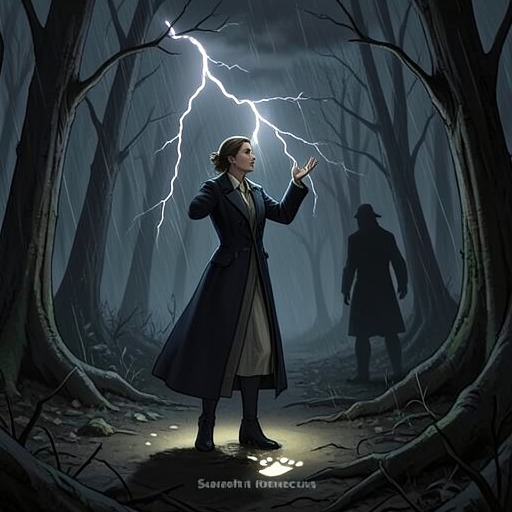
The necklace returns as a physical counterforce when Callum is placed under magical influence. Hannah's manipulated drink makes him behave strangely: he touches Celeste's hand, plays with her hair, spins her in the corridor, pulls her close, and forcibly kisses her even after she asks him to stop. Damien intervenes and pushes him away. Celeste responds by pulling off the silver necklace and throwing it at Callum. The gesture rejects both the forced intimacy and the object that had once represented his affection. The necklace is no longer safely contained in a box or worn as a cherished ornament; it becomes something she can use to distance herself from him.
The thrown necklace also contributes to Callum's collapse into confusion. At home, he has it in his possession and wonders why his head is pounding and what is happening to him before collapsing as Carmilla tries to revive him with blood. The object therefore participates in the interruption of his enchanted condition, linking physical silver with the exposure of supernatural manipulation. Its significance lies not in a fully explained mechanism, but in the repeated evidence that silver disrupts the Vampire body and unsettles the control imposed upon it.
Identity, Labels, and Conflict
The necklace belongs to a wider system of objects and labels that separates humans from Vampires. The war in Cape Town is fought with garlic bombs and holy water, while the vampire community is eventually associated with the demand for peace through no hunting and no biting. Against that public conflict, the necklace places the same division inside a personal relationship. Celeste receives it as a sign of affection, yet the silver makes Callum's hidden nature visible. A gift intended to bring the two closer instead reveals the danger built into their unequal identities.
This reversal complicates the label of Callum as either romantic protector or monster. He supports Celeste after Brianna's death, promises at her grave to protect her, and repeatedly intervenes when she is in danger. Yet he is also a Vampire whose body is harmed by silver, who feeds on humans, and who under magical influence violates Celeste's refusal. The necklace cannot resolve those contradictions, but it materializes them. It makes the category boundary legible without making the moral situation simple.
The object likewise becomes part of the conflict between Celeste and Susie. After Susie is turned into a Vampire and begins killing people, she identifies Callum by his red eyes and claims that he is like her. Later, Susie insists that she and Callum belong together and accuses Celeste of trying to take him away. Damien counters that Celeste and Callum are soulmates, while Celeste insists that Callum loves someone else and that Susie must stop acting irrationally. The necklace's earlier movement from gift to weapon foreshadows this struggle over what Callum's attachment means and who has the right to define it.
Narrative Function and Significance
As an object, the necklace repeatedly changes status. It begins as a carefully selected birthday gift, becomes an instrument of accidental revelation, turns into an object of rejection during Callum's coercive behavior, and remains connected to the return of his awareness. Its silver chain and ruby unite two symbolic registers already active in the story: silver as a material threat to Vampires and red as the color of vampire eyes, blood, and supernatural identity. The necklace therefore carries affection and danger in the same small form.
Its most important function is to make the invisible material. Callum's secrecy depends on appearing human, but the necklace produces pain that cannot be explained away by ordinary illness. Celeste's discovery proceeds through concrete signs: burning skin, a wound that heals, eyes that change color, and behavior that refuses to fit the image of an ordinary student. The necklace is not passive decoration in these scenes. Its contact changes what can be known, how the characters act, and how the relationship is interpreted.
The necklace also preserves the tension between care and harm that defines Callum and Celeste's relationship. Callum buys it while Celeste mourns, and Celeste initially treasures its beauty; later, she throws it at him after he forces a kiss. That reversal does not erase the earlier tenderness, but it prevents the gift from remaining innocent. The object remembers both versions of their bond: the promise of protection and the threat posed by hidden power. In that sense, Celeste's necklace becomes one of the clearest material emblems of the story's unstable movement between human intimacy, vampiric violence, and the possibility of coexistence.